Acoustic Panels vs. Baffles vs. Clouds: Which Sound Treatment Is Right for Your Space?
Acoustic Panels vs. Baffles vs. Clouds: Which Sound Treatment Is Right for Your Space?
Good acoustics make a room easier to use. In a classroom, students hear instructions more clearly. In a gym, coaches do not have to shout over lingering echo. In a restaurant, guests can enjoy a conversation without fighting the room.
Three of the most common tools for controlling reverberation are acoustic panels, acoustic baffles, and acoustic clouds. They all absorb sound, but they are not used in the same way. The best choice depends on the room shape, ceiling height, wall space, building use, and design goals.
This guide explains how each option works, where it fits best, and how to choose the right acoustic treatment for your project.

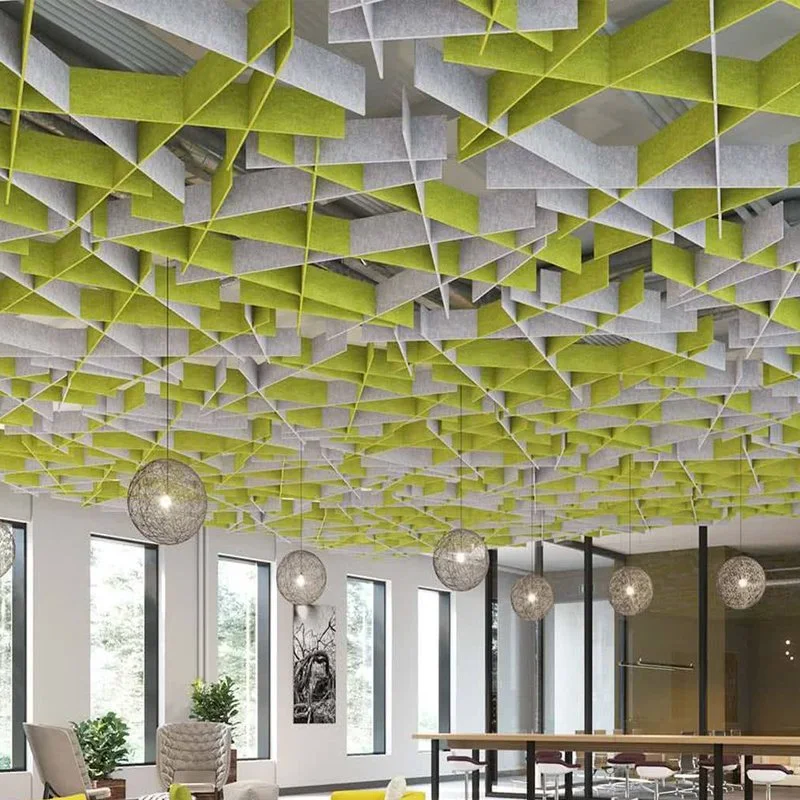
Quick Comparison
| Acoustic Treatment | Where It Goes | Best For | Key Benefit |
|---|---|---|---|
| Acoustic panels | Walls or ceilings | Offices, classrooms, restaurants, corridors, meeting rooms | Clean wall-mounted sound absorption |
| Acoustic baffles | Suspended vertically from ceilings | Gyms, pools, arenas, industrial spaces, large open rooms | Strong absorption in tall or loud spaces |
| Acoustic clouds | Suspended horizontally from ceilings | Offices, libraries, classrooms, lobbies, studios, multipurpose rooms | Ceiling absorption with a finished architectural look |
What Are Acoustic Panels?
Acoustic panels are sound-absorbing panels usually installed on walls or ceilings. They are often fabric-wrapped, but they can also be printed, shaped, impact-resistant, or built with specialty finishes.
Panels are a strong choice when a room has usable wall space and the design calls for a clean, finished appearance. They reduce reflected sound, which helps lower echo and improve speech clarity.
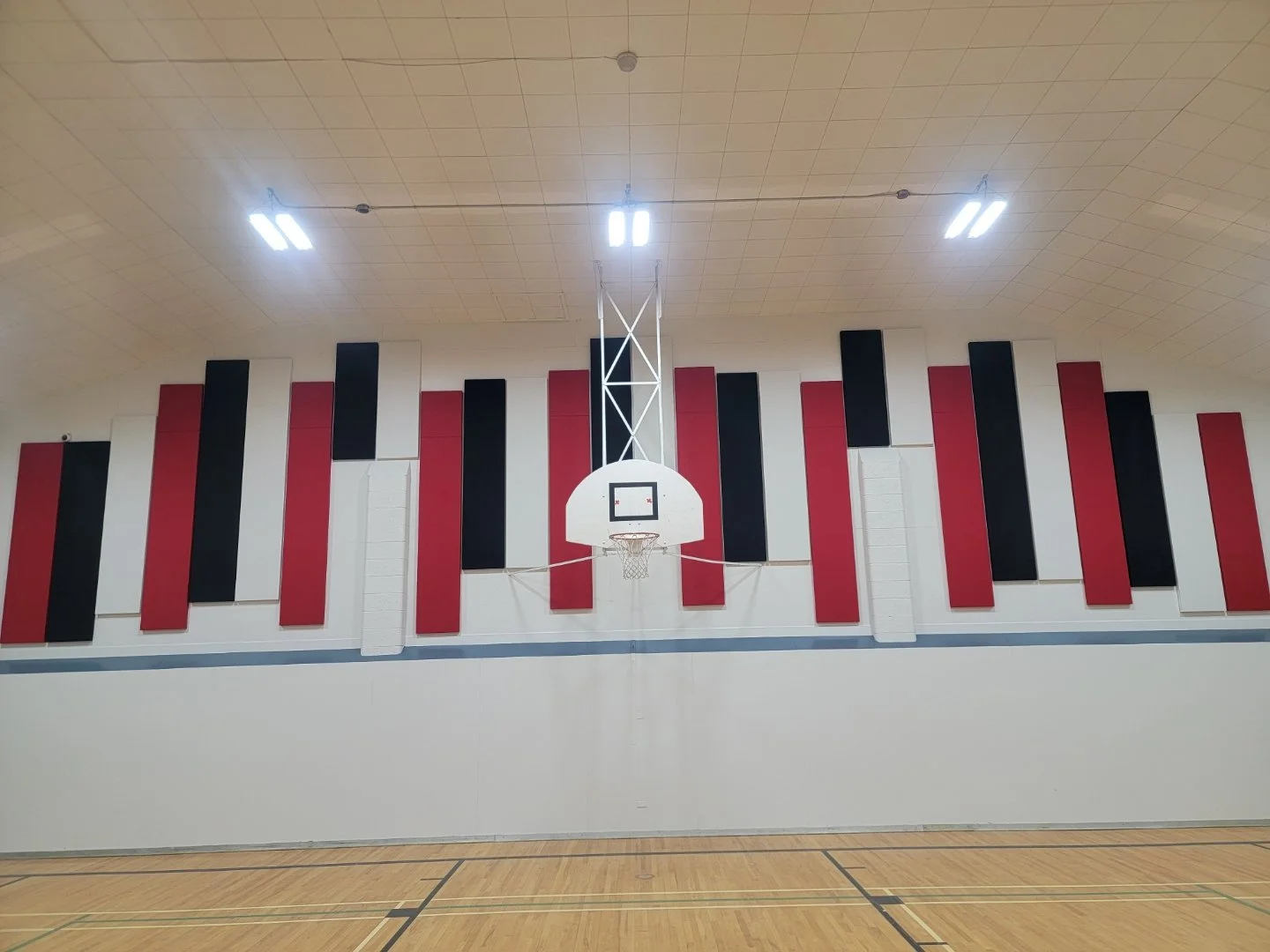
Common uses include:
Classrooms
Offices
Meeting rooms
Restaurants
Libraries
Corridors
Healthcare spaces
Worship facilities
Theatres and performance spaces
Acoustic panels work well because walls are often major reflection points. In smaller and mid-sized rooms, adding absorption to these areas can make the space feel calmer and easier to hear in.
For design teams comparing wall treatments, WNC’s acoustic wall options page is a useful starting point.
What Are Acoustic Baffles?
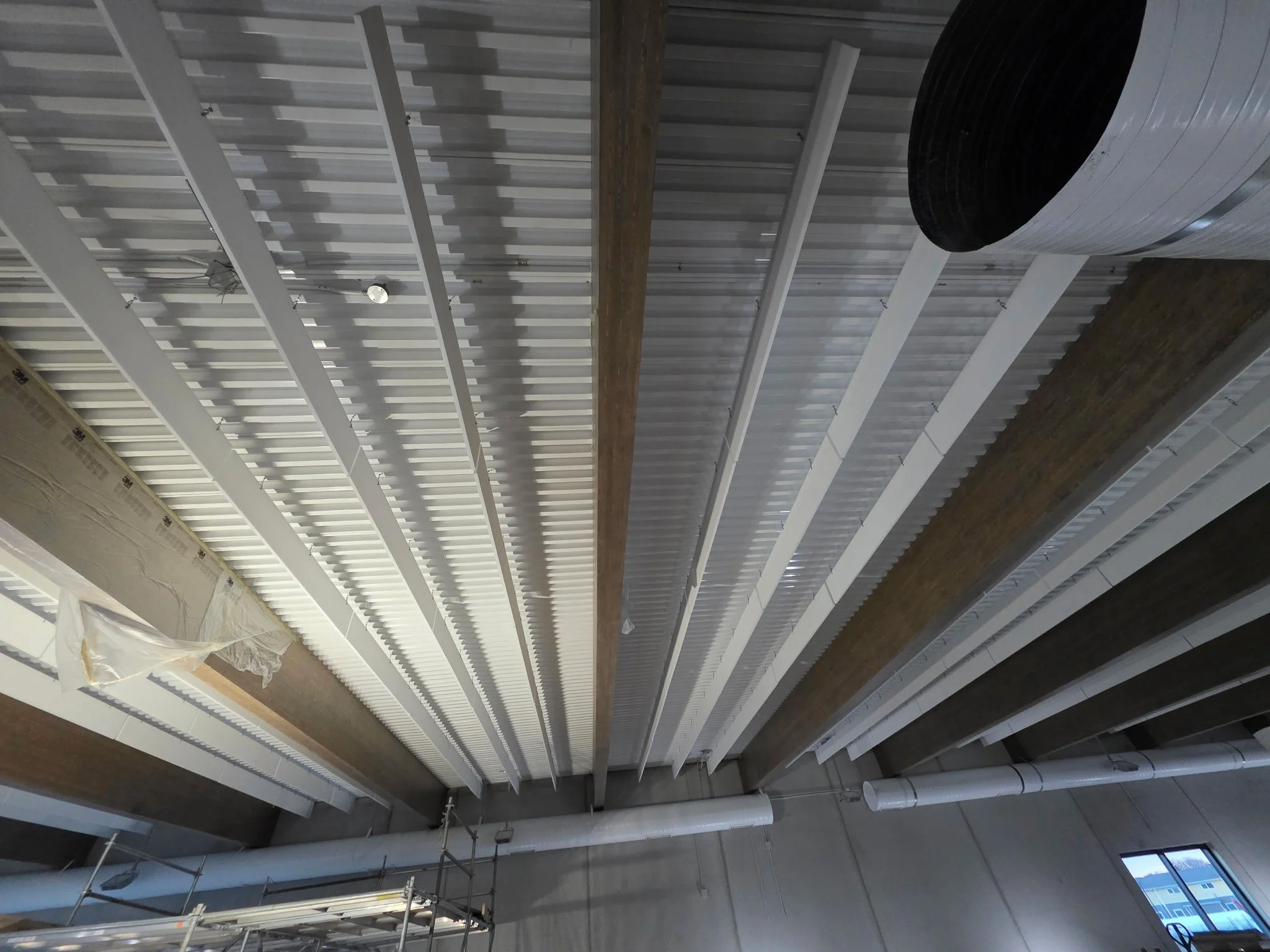
Acoustic baffles are vertically suspended sound absorbers that hang from the ceiling. Because both sides of the baffle are exposed to the room, they can absorb sound from more than one direction.
Baffles are often used in rooms with high ceilings, hard surfaces, and large volumes of air. These are spaces where sound can build up quickly and linger for too long.
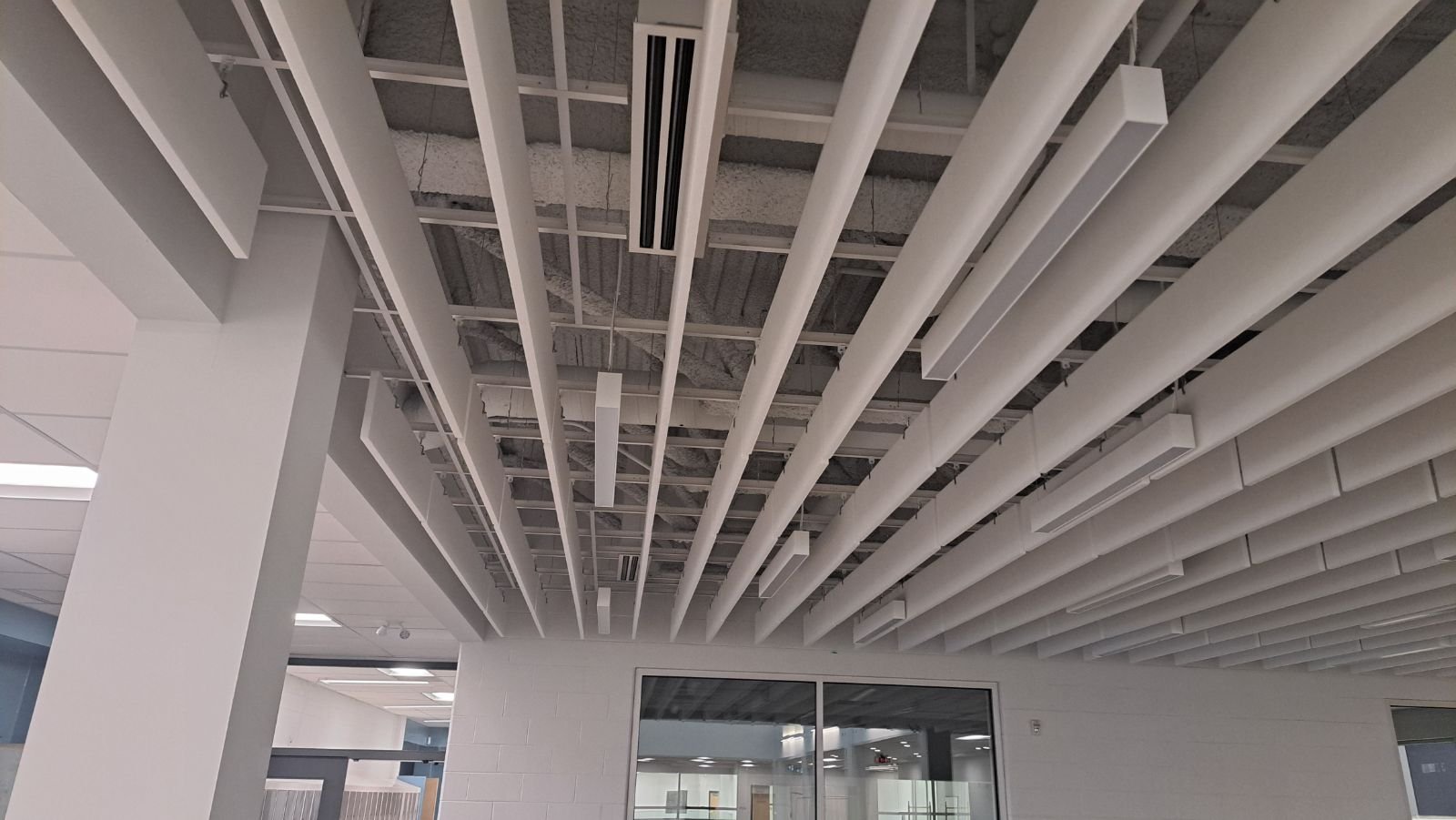
Common uses include:
Gymnasiums
Swimming pools
Arenas
Recreation centres
Multipurpose halls
Industrial facilities
Cafeterias
Field houses
Baffles are especially useful where wall space is limited or where walls need to stay clear for equipment, windows, doors, scoreboards, shelving, or impact zones.
In pools and recreation facilities, material choice matters. Acoustic products may need to handle humidity, chlorine exposure, impact, and long-term maintenance needs. This is where product selection and installation details become just as important as acoustic performance.
What Are Acoustic Clouds?
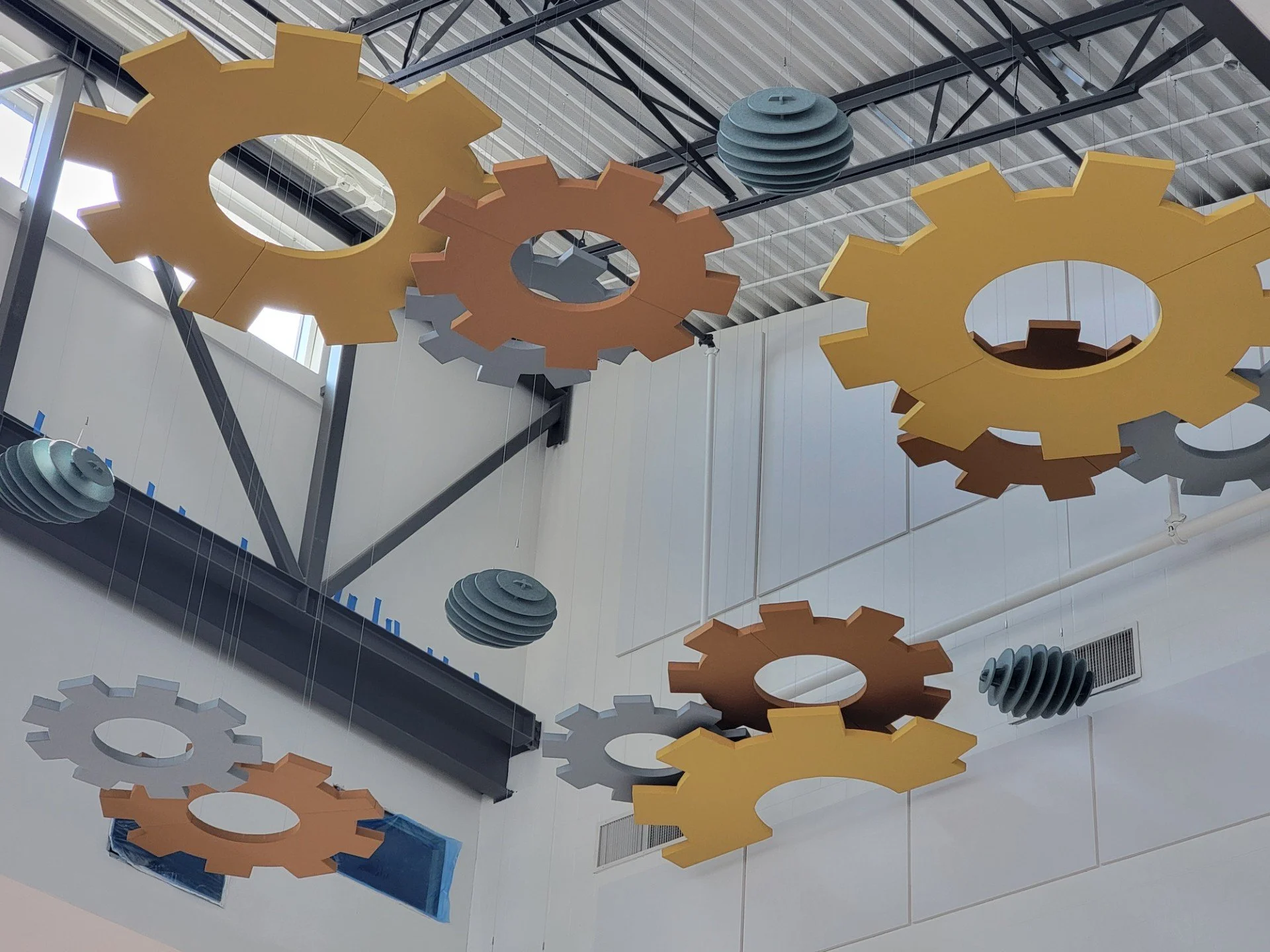
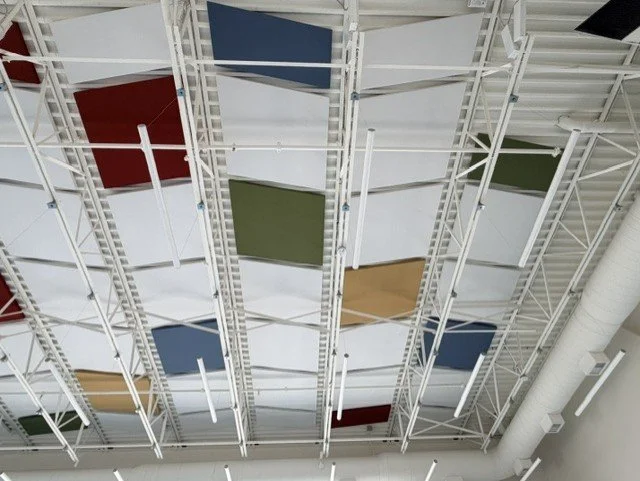
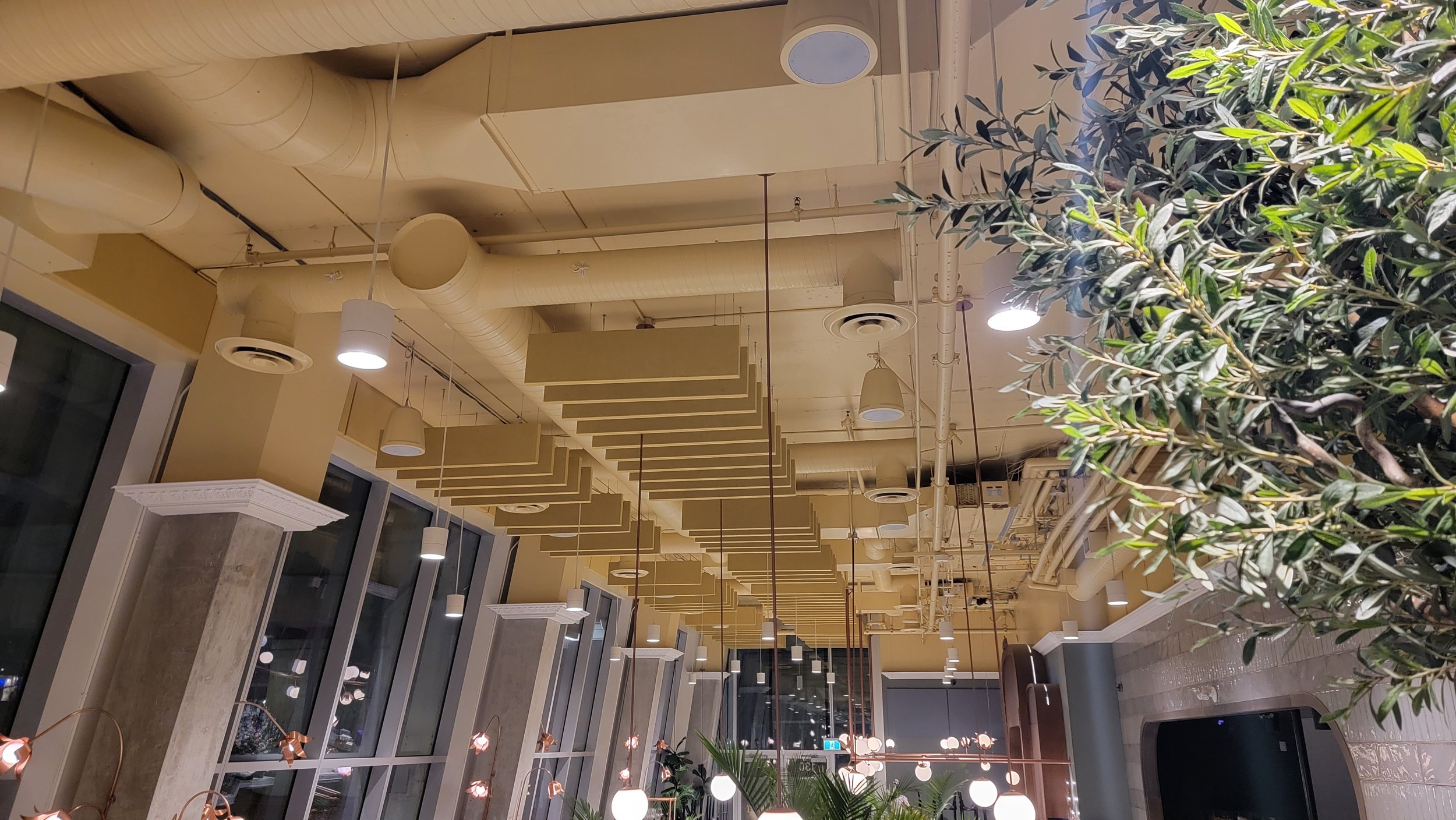
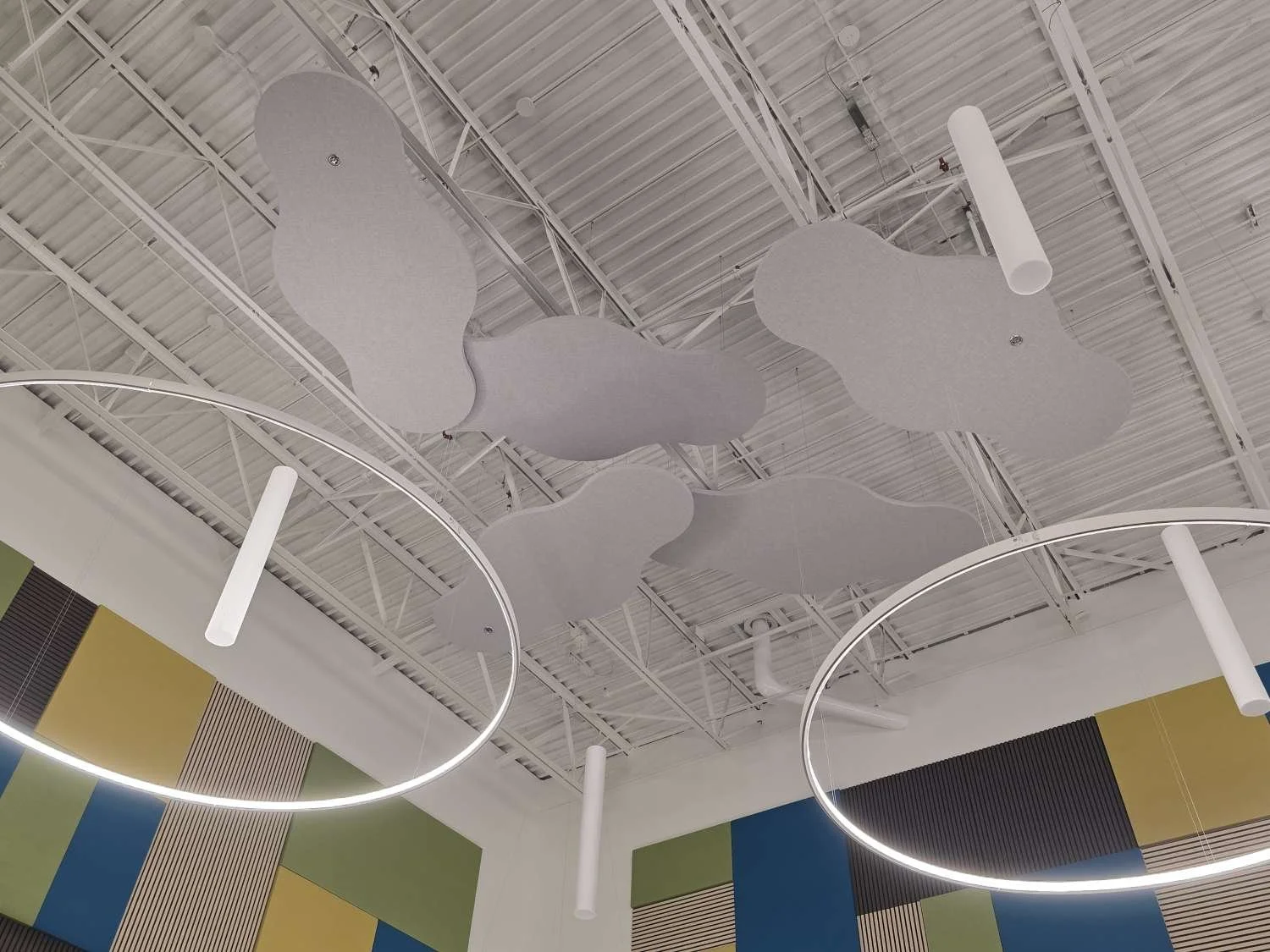
Acoustic clouds are horizontally suspended absorbers installed below the ceiling. Unlike baffles, which hang vertically, clouds sit flat or in designed layouts above the occupied area.
Clouds are often chosen when ceiling absorption is needed but the project also calls for a more architectural appearance. They can be placed above desks, reading areas, collaboration zones, reception areas, or seating zones.
Common uses include:
Offices
Libraries
Classrooms
Boardrooms
Lobbies
Restaurants
Studios
Community rooms
Open ceilings
Clouds work well in spaces where sound reflects off hard ceilings, floors, glass, and walls. By placing absorption overhead, the room can become more comfortable without relying only on wall space.
WNC also offers broader acoustic ceiling options for projects where ceiling treatment is the best path.
Panels vs. Baffles vs. Clouds: How to Choose
The right option starts with the room itself.
Choose Acoustic Panels If You Have Usable Wall Space
Panels are often the first choice for offices, classrooms, restaurants, and meeting rooms because they fit cleanly on walls. They are also easier to place at common reflection points.
Panels are a good fit if:
The room has open wall areas
The ceiling is low or hard to access
The project needs a clean visual finish
The room needs speech clarity
The treatment should blend with interior finishes
Panels can also be printed or shaped, which makes them useful when the acoustic treatment needs to support branding, wayfinding, or interior design.
Choose Acoustic Baffles If the Room Is Tall, Loud, or Highly Reverberant
Baffles are often the right choice for large-volume rooms where sound has too much space to bounce around. They are commonly used in gyms, pools, arenas, and industrial spaces because they can add a lot of absorption overhead without using the walls.
Baffles are a good fit if:
The ceiling is high
The room has hard floors, walls, or roof deck
Wall space is limited
The space is used for sports, recreation, or group activity
Echo is severe
Durability is a major concern
In many large rooms, baffles can be one of the most practical ways to bring reverberation down to a more usable level.
Choose Acoustic Clouds If You Need Overhead Absorption With a Finished Look
Clouds are a strong choice for open ceilings, design-led interiors, and rooms where the ceiling plane is part of the visual experience. They can create acoustic control above key areas without covering full walls.
Clouds are a good fit if:
The room has exposed structure
The project needs overhead absorption
The design calls for a lighter ceiling feature
The space has open work areas or seating zones
Wall space is limited or highly visible
The room needs both acoustic comfort and a polished finish
Clouds are often used in offices, libraries, schools, and lobbies where sound comfort matters, but the treatment also needs to look intentional.
Do Panels, Baffles, and Clouds Soundproof a Room?
Not by themselves.
Panels, baffles, and clouds are sound absorption products. They reduce echo and reverberation inside a room. They do not stop sound from passing through walls, floors, ceilings, doors, or windows.
This distinction matters. If the problem is noise inside the room, such as echo in a gym or poor speech clarity in a classroom, absorptive treatment is usually part of the answer. If the problem is sound travelling from one room to another, the project may need isolation products, construction changes, or other sound control measures.
A good acoustic plan starts by identifying the real issue: sound staying in the room too long, sound entering or leaving the room, or both.
Can You Combine Panels, Baffles, and Clouds?
Yes. Many successful acoustic projects use more than one treatment type.
A school gym might use ceiling baffles for the main reverberation problem and high-impact wall panels in key reflection areas. An office might use clouds above open workstations and panels in meeting rooms. A restaurant might use wall panels, ceiling clouds, or a mix of both, depending on the layout and finishes.
The goal is not to add products everywhere. The goal is to place the right amount of absorption in the right locations.
Key Design Factors to Review Before Choosing
Before selecting panels, baffles, or clouds, review these project details:
Room Use
A classroom, pool, office, theatre, and arena all have different acoustic needs. Speech clarity, background noise, impact resistance, moisture exposure, and visual design may carry different weight depending on the space.
Ceiling Height
High ceilings often push projects toward baffles or clouds. Lower ceilings may be better suited to wall panels or direct-mount ceiling panels.
Wall Availability
If walls are full of windows, millwork, equipment, artwork, doors, or impact zones, ceiling-mounted treatments may be more practical.
Durability Requirements
Gyms, schools, pools, and recreation spaces often need products that can handle contact, humidity, or cleaning needs. A standard office panel is not always the right fit for these spaces.
Fire and Building Requirements
Acoustic products used in public and commercial buildings must meet the correct fire and smoke requirements for the application. This is especially important for schools, recreation facilities, healthcare spaces, and government projects.
Appearance
Acoustic treatment can be quiet and subtle, or it can become part of the design. Fabric colour, felt colour, printed panels, shapes, wood finishes, and layout patterns all affect the final look.
Common Project Examples
School Gymnasium
Best fit: acoustic baffles, high-impact acoustic panels, or both.
Gyms are usually loud because of hard floors, painted block walls, high ceilings, and active use. Baffles can add major absorption overhead, while wall panels can target strong reflections around the room.
Restaurant
Best fit: acoustic panels or acoustic clouds.
Restaurants often have glass, concrete, tile, brick, and open ceilings. These finishes look good, but they can make the dining room tiring. Panels and clouds can reduce echo while fitting the room’s design.
Office
Best fit: acoustic panels, clouds, or felt products.
Open offices, meeting rooms, and boardrooms often need better speech comfort and lower reverberation. Clouds are useful above work areas, while panels work well in enclosed rooms.
Swimming Pool
Best fit: moisture-aware acoustic baffles or ceiling treatments.
Pools are difficult acoustic spaces because they combine high ceilings, water, tile, glass, concrete, and humidity. Product selection needs care because the acoustic treatment must suit the pool environment.
Library
Best fit: acoustic clouds, panels, or a mix.
Libraries need calm conditions and speech control without making the space feel heavy. Clouds can add absorption overhead while keeping walls available for shelving, displays, and glazing.
Final Recommendation
Acoustic panels, baffles, and clouds all reduce echo, but they solve the problem in different ways.
Use panels when wall treatment makes sense. Use baffles when the room is tall, loud, or short on wall space. Use clouds when overhead absorption is needed with a finished architectural appearance.
For many buildings, the best answer is a mix of treatments selected around the room’s shape, use, materials, and design goals.
Western Noise Control designs, manufactures, and installs acoustic solutions for schools, offices, recreation facilities, restaurants, worship spaces, industrial buildings, and public projects across Canada and the United States. To review the best option for your space, request a quote.